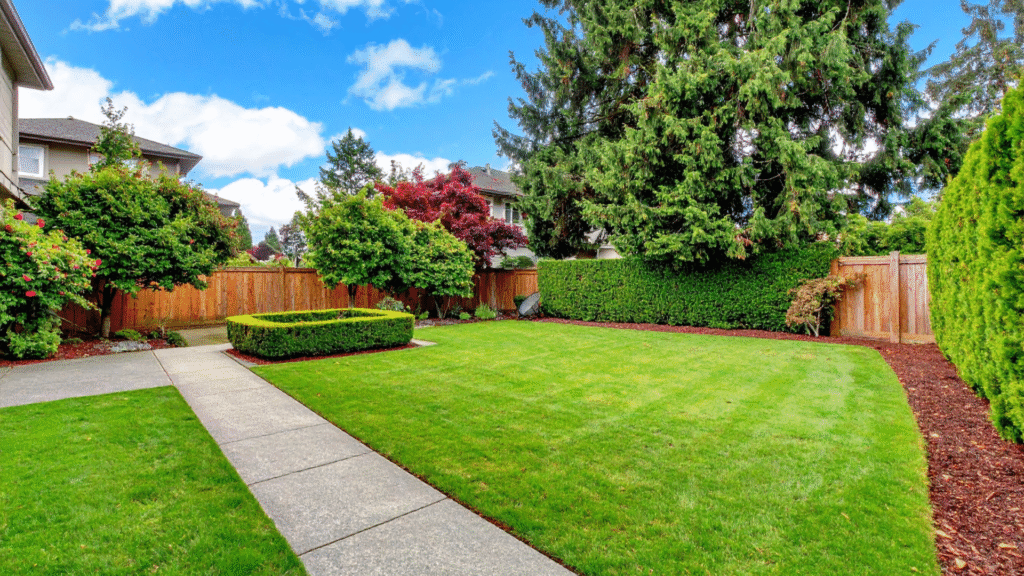
When homeowners set out to transform their outdoor spaces, the challenge rarely lies in enthusiasm; it lies in direction. Without a clear design plan, even the most promising garden can become disjointed, difficult to maintain, or simply underwhelming.
It is always good to build a good foundation of the Garden Design in the initial stages to make the space look balanced, practical and attractive. You can refresh a small garden, have a complete makeover of your landscape, or think of new developments, such as patios, turfing or block paving, but you will be on the right track to it when you understand what is necessary.
Understanding the Foundations of a Well-Designed Garden
Before becoming engrossed in the choice of plants or the selection of materials to use as a surface, it is ever pleasant to have a rough conception of how a garden functions. In many cases, house owners give their attention to ornamental features initially; however, the construction, configuration and functionality is much more important.
This is especially so in the places where there is a significant variety in types of property and the outdoor space, such as the case of garden design in Birmingham. You should take time to review your space adequately to make your landscaping experience smooth and more rewarding.
Core Principles Every Beginner Should Know
1. Begin With a Detailed Site Assessment
A successful design starts with understanding the garden’s natural characteristics.
- Look at sunlight exposure during different times of the day
- Consider drainage, soil type and existing features
- This helps you choose the right materials and plants from the outset.
2. Define the Purpose of the Space
Each garden can be used differently, and you need to consider your intended purpose of use.
- Do you want a peaceful relaxation area?
- Do you need family-friendly open space or areas for entertaining?
- Clear intentions guide your layout decisions.
3. Plan Practical Movement and Accessibility
- Good flow makes a garden feel larger and more comfortable to use.
- Create easy pathways between key areas
- Ensure there’s enough space around seating, doors and bins
- Simple adjustments can greatly improve everyday convenience.
4. Choose a Consistent Style or Theme
- A cohesive style brings the whole garden together.
- Pick colour palettes that complement your home.
- Keep materials consistent across paving, edging and decorative elements.
In garden design Birmingham, this unified approach is especially valued, as it enhances both kerb appeal and property value.
5. Work With the Natural Features of the Space
- Rather than forcing a layout, embrace your garden’s existing characteristics.
- Select plants suited to your soil and light levels
- Position seating where it naturally feels calm and sheltered
This creates a more balanced and long-lasting design.
6. First, Construct Your Structure
- The hard landscaping is what makes up the outline of the garden area.
- The paving, resin or other hard surfaces should be laid prior to any planting
- The light and drainage installations can also be done at the very beginning so that there will be no disruption in the future.
NDH Landscaping is the company that specializes in the installation of these types of hard surfaces that are really durable and long lasting.
7. Layering as a Technique to Bring Depth and Character
Layering is a great technique to make your garden look giant and more attractive.
In the flower beds, mix plants according to their heights and also textures.
Planting of evergreens is done for the building of the garden while seasonal flowers are for colour.
This provides a plant interest throughout the year but does not make the space look crowded. Here are some practical tips for a low-maintenance, high-impact garden
- Prioritise Low-Maintenance Choices
- An attractive garden should not require continual maintenance.
- Opt for artificial turf or low-care lawn alternatives
- Choose hardy shrubs instead of high-maintenance flowerbeds
- This lets you enjoy your garden rather than worry about it.
8: Consider Sustainable, Long-Term Materials
- Environmentally responsible choices save time and money over the years.
- Choose permeable surfaces where possible
- Use energy-efficient outdoor lighting
These choices enhance practicality and comfort.
9: Invest in Effective Lighting
- Lighting creates an atmosphere and increases security.
- Make walkways and places to sit visible
- Put some gentle lights to create a warm night atmosphere
- Properly positioned lighting changes the way you perceive your garden after dark.
10: Set a Realistic Budget and Prioritise Key Elements
A well-designed garden does not have to be a source of great concern or a huge financial outlay.
- Begin with the main features such as terraces, seating, and lawns
- Gradually introduce decorative items as your garden matures
- This method keeps expenses under control but still provides an elegant look.
11: Finish With Detail and Personal Touches
- Small touches bring your garden to life.
- Add borders, edging, lighting or modern planters.
- Use accessories that match your home’s style.
These subtle enhancements create a refined, welcoming outdoor space.
Conclusion
Designing a garden may be a very daunting task initially, but with proper planning and especially considered choices and a carefully designed plan any homeowner can have an outdoor space that is friendly, useful, and perfectly suited to the lifestyle that the homeowner requires. Starting with good basic layout choices to the last details, which determine the personality and style, every detail leads to a beautiful and useful garden.
When you are willing to make changes in your outdoor landscape the professional, reliable and customized landscaping services provided by NDH Landscaping will make your vision come true.